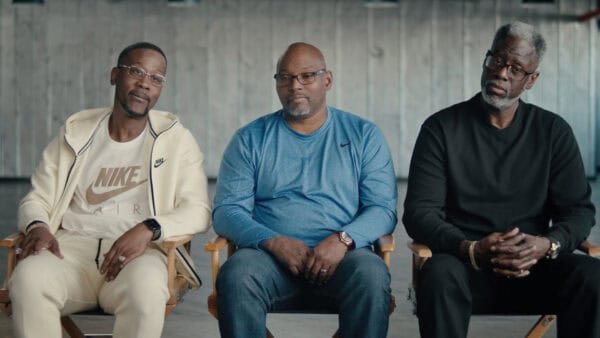
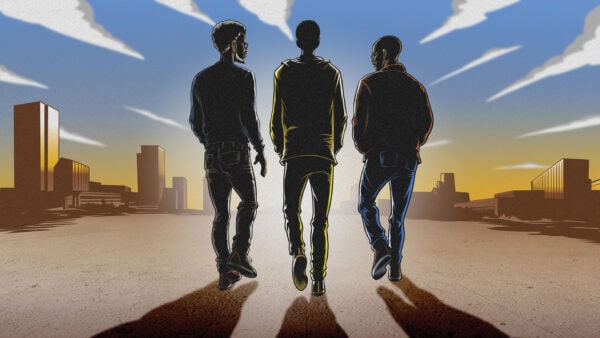
In 1983, noted author Ta-Nehisi Coates remembers learning that a 14-year old boy was murdered in the corridor of his Baltimore middle school. Revisiting the case as an adult, he learns the truth about the three innocent teenagers who were convicted and sentenced to life. After 36 years in prison, it was revealed that false testimony led to their imprisonment. WHEN A WITNESS RECANTS explores the collateral damage the handling of this case had on the community, the wrongfully accused, and the young witnesses pressured to betray them.
When a Witness Recants
Filmmaker Notes:
I’ve been making films about the criminal legal system for more than a decade now, but nothing has moved me more than the story of the Harlem Park 3. Collectively the HP3 spent more than 108 years in violent prisons, the longest combined wrongful conviction in American history. Their experience illustrates an ongoing national crisis — the racially
charged reality of police misconduct. This case demonstrates just how fragile justice can be.
I was shocked to learn that Ta-Nehisi Coates – a person I consider to be one of the most important thinkers of our time –had a personal connection to the case. Ta-Nehisi was a child in Baltimore at the time of the murder, and as he recalls, this crime shocked the community, straining bonds that had been forged over decades. When a community
loses trust, it also loses its means of support. Doors that were once open to all neighborhood children were locked. Neighbors were unsure of who to trust. The community was literally torn apart.
There were many challenges to bringing this story to the screen. The men were incarcerated for almost 40 years – there were few photos, and no footage. And then there was the issue of the witness. Ron Bishop held the key to their freedom, but he also contributed to their incarceration. Yet it was undoubtedly clear that he was the victim of police misconduct. How to tell his story with the humanity he deserved. The answer came from all four men themselves – they wanted to meet face to face. They had not seen each other since they were teenagers. Now in their 50’s, they each had hopes that this meeting would somehow bring some closure. They let us capture this all on film.
This is an all too familiar story about police misconduct, over incarceration and a flawed criminal legal system. But it is also the story of a fearless journalist who wrote about it with humanity and compassion, a progressive prosecutor who was determined to free the men after the facts became clear, and ultimately a cautionary tale. This is my fourth Sundance Film, and I could not be prouder for it to premiere in the Sundance lineup. I am so grateful to everyone on my team who helped bring this story to life.


Festival screenings
Screening Day / Time
- Oct 17 (Sat): Block 2 - 11:10am
- Oct 22-25: NOT AVAILABLE during Virtual Encore