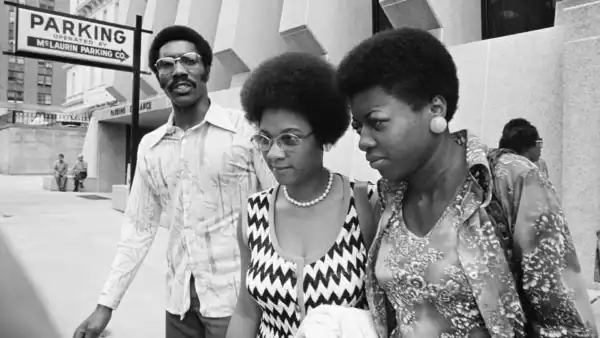
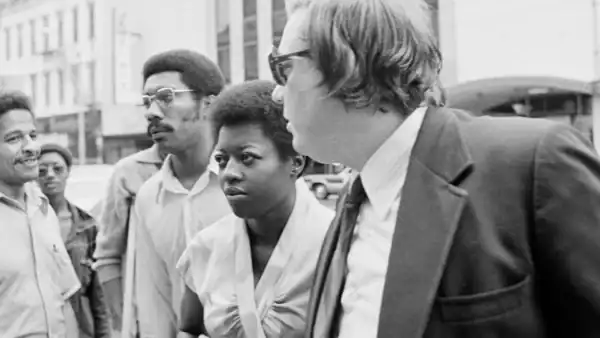
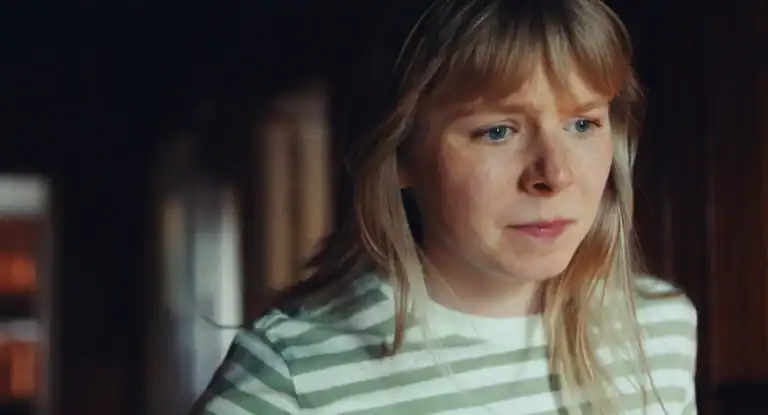
“Free Joan Little” chronicles how a young Black woman’s act of self-defense inside a North Carolina jail cell ignited one of the most remarkable social movements of the 1970s. On August 27, 1974, twenty-year-old Joan Little was held in Beaufort County Jail awaiting trial on breaking-and-entering charges when white jailer Clarence Alligood entered her cell armed with an ice pick, intending to rape her. Little fought back, fatally stabbing him, and fled, triggering a nationwide manhunt under Reconstruction-era laws that effectively authorized her killing on sight. She surrendered eight days later and was indicted for first-degree murder within forty-eight hours, facing the gas chamber if convicted. Her defense team, led by attorney Jerry Paul and Karen Bethea Shields (the first Black woman to graduate from Duke Law School), built an extraordinary coalition – Civil Rights veterans, Black Power organizers, radical feminists, death penalty abolitionists, and LGBTQ+ advocates – united behind a woman much of society had deemed unworthy of protection. The case drew the attention of Angela Davis, Julian Bond, Rosa Parks, Shirley Chisholm, and N.O.W’s Minnie Bruce Pratt, along with hundreds of others. The case garnered international press, and posed a question at the heart of American justice: Does a Black woman have the right to defend her own body? The August 1975 verdict: acquittal by reason of self-defense, from a jury of seven white and five Black members. This remains a landmark moment in legal and social justice history.